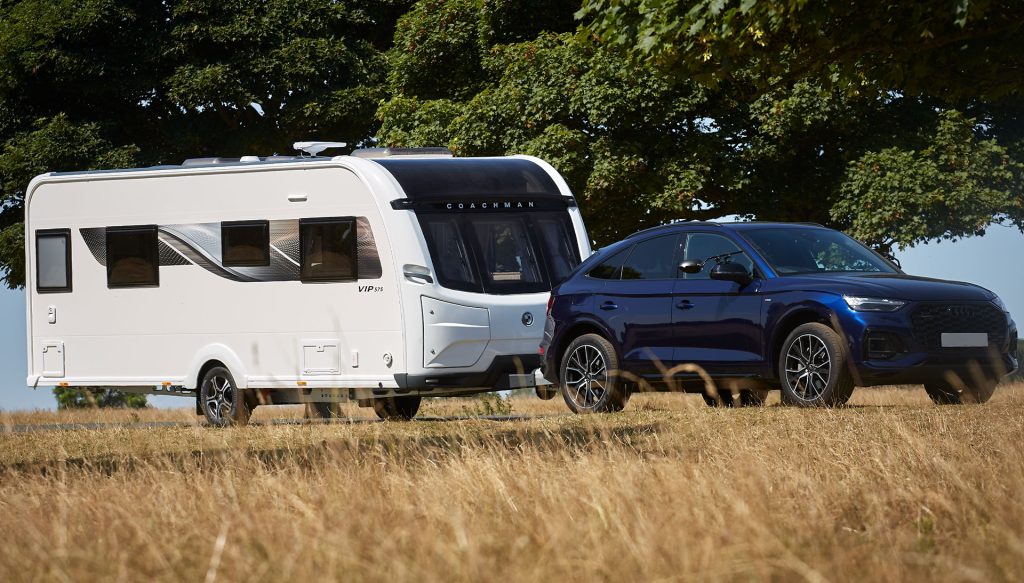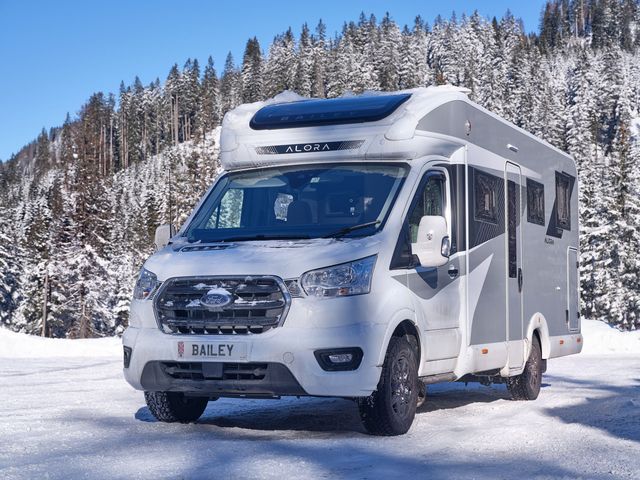
Buying a caravan is an exciting investment. It gives you the freedom to travel more often, explore new places and enjoy holidays on your own terms. But once you own a touring caravan, there is also a practical question to think about: how do you protect it?
That is where caravan insurance comes in.
Caravan insurance is not a legal requirement in the UK, but it is strongly worth considering if you want protection against risks such as theft, accidental damage, storm damage, fire or damage while touring. Multiple UK insurance sources make clear that specific touring caravan insurance is not legally required, although car insurance may only provide limited third-party cover while towing.
This guide explains what caravan insurance usually covers, when you may need it and what to check before choosing a policy.
Do You Legally Need Caravan Insurance in the UK?
No, touring caravan insurance is not a legal requirement in the same way that car insurance is.
However, that does not mean going without cover is always a good idea. Your caravan is still a valuable asset. It can be damaged on the road, affected by weather, stolen from storage or damaged while on site.
Your car insurance may provide some cover while towing, but this is often limited and may not protect the caravan itself against damage, theft or loss. This is why many caravan owners choose a separate touring caravan insurance policy.
What Does Touring Caravan Insurance Usually Cover?
Every policy is different, so you should always read the details carefully. However, touring caravan insurance often includes cover for some or all of the following:
- Accidental damage.
- Theft or attempted theft.
- Fire, storm or flood damage.
- Damage while towing.
- Public liability.
- Contents cover.
- Awnings and equipment.
- European travel cover.
- New-for-old or market value replacement.
Some policies include public liability cover, which may be important if your caravan causes injury or damage while detached or pitched. Some caravan sites or storage facilities may also ask for evidence of public liability cover before accepting a booking.
Accidental Damage
Accidental damage cover can protect your caravan if it is damaged unexpectedly. This might include damage caused while manoeuvring, pitching or towing, depending on the policy.
For many owners, this is one of the biggest reasons to take out insurance. Even a careful driver can have a low-speed scrape, a reversing mishap or damage caused by tight site access.
Theft and Security
Caravan theft is a major concern for tourers. A good policy can cover theft or attempted theft, but insurers often expect owners to use approved security devices.
This might include:
- A hitch lock.
- A wheel lock.
- An alarm.
- A tracker.
- Secure storage.
- Proof of security devices.
If you do not follow the insurer’s security requirements, a theft claim could be affected. Always check the policy wording and make sure your caravan security setup meets the required standard.
Storm, Flood and Fire Damage
British weather can be unpredictable. Storms, high winds, falling branches, flooding and fire can all cause expensive damage.
If your caravan is stored outside or used frequently through the year, weather-related cover is worth checking closely. Look at what is included, what is excluded and whether awnings or contents are covered separately.
Contents, Equipment and Awnings
Your caravan is only part of what you take on holiday. You may also have outdoor furniture, cooking equipment, clothing, TVs, bedding, awnings and accessories.
Some caravan insurance policies include contents cover as standard, while others offer it as an optional extra. The same applies to awnings, which may have a separate limit or different conditions.
If you regularly carry expensive equipment, check the single-item limit and total contents limit before choosing a policy.
Public Liability
Public liability cover can protect you if your caravan causes injury to another person or damage to someone else’s property.
This can be particularly important when your caravan is pitched, detached from your car or being used on a site. Your car insurance may not provide the same level of protection once the caravan is no longer being towed.
Some sites and storage compounds may also require public liability cover, so it is worth checking before you travel or store your caravan.
New-for-Old vs Market Value Cover
Some policies offer new-for-old cover, while others pay market value.
New-for-old cover means the insurer may replace your caravan with a new equivalent model if it is written off, subject to the policy conditions. This is often only available for caravans under a certain age.
Market value cover means the payout is based on what your caravan was worth at the time of the claim.
Neither option is automatically better for everyone. It depends on the age, value and condition of your caravan, as well as how much you are willing to pay for cover.
What Affects the Cost of Caravan Insurance?
Caravan insurance costs vary depending on several factors, including:
- The value of the caravan.
- The age and model.
- Where it is stored.
- How often it is used.
- Security devices fitted.
- Claims history.
- Type of cover selected.
- Whether European cover is included.
- Whether contents and awnings are covered.
A more secure caravan stored in a recognised storage facility may cost less to insure than a caravan stored on a driveway without additional security. But each insurer will assess risk differently.
How to Choose the Right Policy
Before choosing caravan insurance, ask yourself:
- What would it cost to replace my caravan?
- Do I need contents and awning cover?
- Will I take the caravan abroad?
- Where will it be stored?
- Do I have the required security devices?
- Do I want new-for-old or market value cover?
- Is public liability included?
- What is the excess?
- Are there exclusions around storm damage or theft?
Insurance is not just about finding the cheapest quote. It is about understanding what is actually protected.
Caravan insurance may not be legally required in the UK, but it can provide valuable peace of mind. A touring caravan is a major investment, and the right cover can protect you from unexpected repair bills, theft, storm damage and liability issues.
Before choosing a policy, take time to compare the details, not just the price. Check the cover limits, security requirements, exclusions and excesses. If you are buying a caravan from Couplands, it is also a good time to think about security accessories, storage and the practical steps that help protect your tourer.
FAQs
Is caravan insurance a legal requirement in the UK?
No. Touring caravan insurance is not a legal requirement in the UK, but it is strongly worth considering if you want protection against theft, damage, fire, storm or liability risks.
What does touring caravan insurance cover?
It commonly covers accidental damage, theft, storm damage, fire damage, public liability, contents, awnings and sometimes European travel, depending on the policy.
Does my car insurance cover my caravan?
Your car insurance may offer limited third-party cover while towing, but it usually will not cover damage to the caravan itself. Always check your policy.
Do caravan sites require insurance?
Some caravan sites or storage facilities may ask for public liability insurance. Always check before booking or storing your caravan.
Is caravan insurance worth it?
For many owners, yes. A caravan is a valuable asset, and insurance can help protect against expensive damage, theft or liability claims.