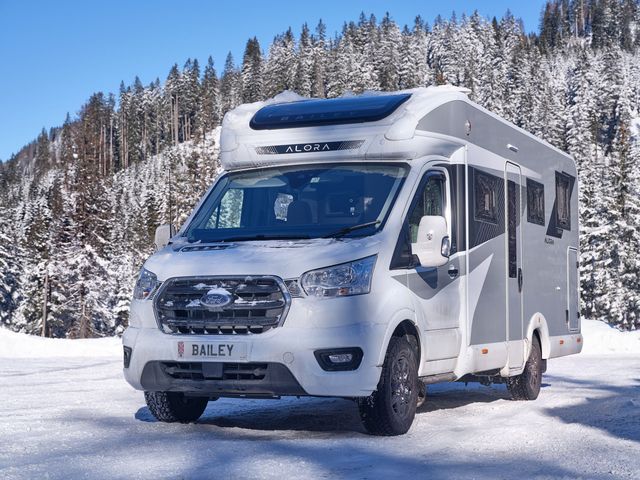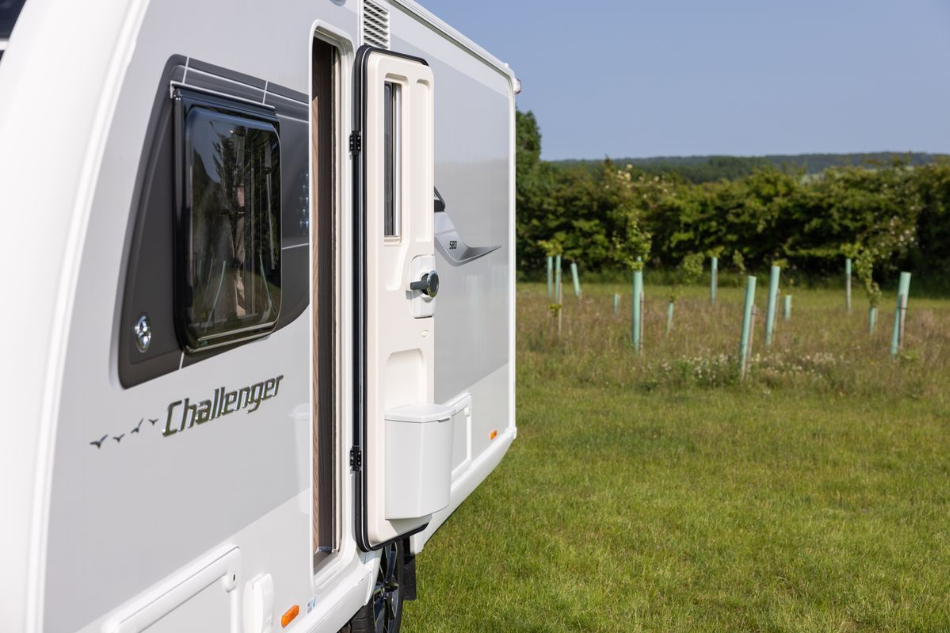
The final trip of the season is over, the awning is packed away and your caravan is back at home or heading into storage. Before you leave it for winter, there are a few important jobs worth doing.
Damp, frozen pipes and a flat leisure battery are three of the most common and potentially expensive winter problems, and all three are largely preventable with the right preparation.
This caravan winter storage checklist takes you through the main jobs in a sensible order. You can complete most of them in an afternoon and leave your caravan in a much better position for the colder months ahead.
If you are looking for ways to organise your caravan while you are actually touring, see our separate guide to caravan storage ideas and clever ways to save space on tour.
Why winterising your caravan matters
A caravan can sit unused for several months over winter, often through the coldest and wettest part of the year. Small problems that would be noticed quickly during regular use can therefore develop unnoticed.
Water left inside pipes, taps or a water heater can freeze as temperatures fall. Water expands when it freezes, which can damage fittings and components. Properly draining the system before storage is much easier and cheaper than replacing split pipes or damaged taps in spring.
Moisture is another concern. Sealing a caravan up completely can trap damp air inside, encouraging mould, mildew and condensation. If water enters through a damaged seal, prolonged exposure can also lead to more serious damp problems.
Your leisure battery needs attention too. Leaving a battery in a discharged state for months can cause sulphation, reducing its ability to hold a charge permanently.
Some manufacturer warranties, extended water-ingress warranties and insurance policies also have servicing or storage requirements. Our guide to caravan insurance for UK tourers covers the basics, but always check the terms that apply to your particular caravan rather than assuming they are all the same.
When should you winterise your caravan?
You should winterise your caravan as soon as you know you have finished touring for the season.
For many UK owners, that means sometime between late September and November. There is little benefit in waiting until the weather forecast shows the first frost. Inland areas can experience freezing conditions unexpectedly, and water left in the system is vulnerable as soon as temperatures fall sufficiently.
Starting early also gives you time to deal with any faults you notice rather than discovering them when you want to use the caravan again.
If your caravan is due a service, consider booking it before storage. Workshop demand can increase as the touring season ends, so arranging a service appointment early gives you more choice.
Caravan winter storage checklist at a glance
Before leaving your caravan for winter:
- Drain the water system fully
- Remove and charge the leisure battery
- Protect the tyres from flat spots
- Isolate and store gas cylinders safely
- Ventilate the interior and manage damp
- Clean inside and out before covering
- Secure the caravan against theft
- Empty out perishables and valuables
- Book a service before storage
Here is how to work through each job.
1. Drain and protect the water system
Fully draining the water system should be one of your first winterisation jobs.
Start by disconnecting the fresh-water supply and opening all taps. If you have mixer taps, leave them in the central position so both the hot and cold sides of the system can drain.
Next, open the caravan’s drain-down valve or drain plug. Its exact position varies between models, so check your caravan handbook if you are unsure.
The water heater also needs to be emptied properly. Simply running the taps until no more water appears does not necessarily mean the heater itself is empty. Follow the drain-down procedure specified by the heater and caravan manufacturer.
Do not forget the washroom. Empty the toilet flush tank if your caravan has one, then empty and thoroughly clean the toilet cassette. Once clean and dry, leaving the cassette blade open can help prevent the seal from remaining compressed during a long period of storage.
You should also:
- Empty your Aquaroll and Wastemaster
- Drain water hoses completely
- Remove and dry the submersible pump
- Remove the water filter cartridge where fitted
- Store removable water equipment somewhere dry
- Leave taps open during storage
Leaving the taps open means that if a very small amount of water remains, there is more room for it to expand rather than building pressure inside a closed fitting.
Do not put ordinary automotive antifreeze into your caravan’s drinking water system. The normal winterisation approach is to drain the potable water system properly and follow the instructions provided by your caravan and appliance manufacturers.
If you would rather have the system checked as part of your annual maintenance, Couplands’ caravan and motorhome servicing includes inspection of the heating and water system as part of a full service.
2. Look after the leisure battery
A leisure battery can lose charge even when you are not actively using the caravan.
Alarms, trackers and other permanently connected equipment can continue drawing a small current. Over several weeks or months, that can be enough to leave the battery heavily discharged. If you want to understand your caravan’s electrical setup in more detail, our off-grid and solar power guide explains how leisure batteries and charging systems work together.
If your caravan is being stored somewhere without a suitable power supply, consider removing the battery. Store it somewhere cool, dry and frost-free, ideally on a stable shelf or insulating surface rather than directly on a cold floor.
Charge the battery fully before putting it away. You can then either recharge it periodically, typically every four to six weeks depending on the battery type and manufacturer guidance, or use a compatible smart maintenance charger.
This matters because leaving a lead-acid battery discharged encourages sulphation. Lead sulphate crystals build up on the plates and, if left for long enough, can reduce the battery’s usable capacity.
Before disconnecting anything, check whether your caravan has a tracker or alarm that relies on the leisure battery. Your insurer or tracking provider may have specific requirements about keeping security equipment powered while the caravan is in storage.
If you need a replacement battery, charger or other electrical accessories, browse the Couplands accessories range or speak to the team about suitable options for your caravan.
3. Protect the tyres
Caravan tyres often age before their tread wears out.
Before storage, check the pressures and inflate the tyres to the figure specified for your caravan. Do not simply inflate them to the maximum pressure printed on the tyre sidewall.
Leaving a caravan standing on exactly the same section of tyre for months can contribute to deterioration and flat spotting. If your storage arrangement allows it, move the caravan slightly every few weeks so a different section of each tyre takes the load.
Breathable wheel covers can also help protect tyres from sunlight and weathering, and are available alongside other storage essentials in our accessories range.
Check the tyre sidewall for the manufacturing date code. This normally ends in four digits. For example, 2423 means the tyre was manufactured in week 24 of 2023.
The Caravan and Motorhome Club recommends replacing caravan tyres when they reach five years old and says they should not be used beyond seven years, regardless of how much tread remains.
If you put the caravan on axle stands for long-term storage, make sure this is done correctly. The chassis needs to be supported in appropriate locations, the handbrake should not be left applied unnecessarily for months, and the corner steadies must not be used to carry the caravan’s weight.
4. Deal with the gas system
Turn off each gas cylinder at its valve before storing the caravan. You should also shut off the relevant internal isolation taps.
Whether cylinders can remain in the caravan depends partly on where it is stored. Some storage sites have their own rules about LPG cylinders, and your insurer may also set conditions.
If cylinders remain in the gas locker, make sure the locker ventilation openings are unobstructed.
If you remove the cylinders, keep them upright and in a secure, well-ventilated location away from heat and sources of ignition. Do not simply move them into your home.
Your gas appliances, pipework and regulator should also be inspected as part of regular servicing by a suitably qualified caravan technician. A gas safety inspection is included in a full workshop service.
Couplands’ service centres in Louth and Worksop are staffed by AWS-approved technicians trained in both mechanical and habitation servicing.
5. Ventilation and damp control
One of the biggest winter storage mistakes is trying to seal the caravan completely.
Caravans are designed with fixed ventilation points for a reason. Roof and floor vents should remain clear throughout storage so air can circulate naturally.
Inside, create as much airflow around furniture and soft furnishings as possible. Lift bed bases where practical and stand removable seat cushions on their edges rather than leaving them tightly packed against one another.
Leave internal doors slightly open, including:
- Wardrobes
- Overhead lockers
- Cupboards
- Storage compartments
- Fridge and freezer doors
Many caravan fridges include a storage or ventilation position that holds the door slightly open.
Moisture traps can help collect some excess moisture, particularly if you can return to the caravan periodically to empty or replace them. If you use an electrical dehumidifier, follow the manufacturer’s instructions and make sure its use is appropriate for your storage arrangement.
Before leaving the caravan, inspect window seals, roof lights, doors and visible body seals. A minor leak that goes unnoticed during regular touring can become a much larger problem if water continues entering throughout winter.
Where practical, take removable soft items home. Upholstery, bedding, cushions, curtains and other fabrics can absorb moisture from the air.
If the storage site allows access, check the caravan around every four to six weeks. Look for signs of water ingress, mould or condensation, empty moisture traps and make sure vents remain unobstructed.
6. Clean inside and out before you store it
Putting a dirty caravan into storage gives dirt several months to become harder to remove.
Wash the exterior thoroughly, paying particular attention to bird mess, tree sap and road grime. These contaminants can mark exterior surfaces if left for long periods.
Clean the roof if you can access it safely, together with gutters, window surrounds and the awning rail. Make sure everything is dry before you leave the caravan.
The awning should be treated separately. Clean it according to its care instructions and never pack it away wet. Even slightly damp fabric can develop mould or unpleasant odours during long-term storage. If yours is past its best, our caravan awning buying guide covers what to look for in a replacement.
Inside:
- Empty and clean the fridge
- Clean food cupboards
- Wipe down worktops
- Vacuum floors and upholstery
- Remove crumbs and food debris
- Dry sinks, showers and washrooms
Food residue can attract rodents, so a thorough clean matters even if you are storing the caravan at home.
If you use a winter caravan cover, choose one designed for caravans that allows moisture to escape. A non-breathable plastic tarpaulin can trap condensation between the cover and bodywork and may cause more problems than it prevents.
7. What should you not leave in a caravan over winter?
Remove anything that could attract pests, absorb moisture, freeze or make the caravan more attractive to thieves.
As a general rule, do not leave:
- Food, including tins and dry goods
- Bottled drinks or other liquids that could freeze
- Cleaning products vulnerable to freezing
- Bedding and towels
- Removable cushions and soft furnishings where practical
- TVs and portable electronics
- Satellite equipment that is easy to remove
- Important documents
- Spare keys
- Items containing your home address
- Valuable possessions
- Anything valuable visible through a window
- Damp clothing or equipment
- Gas cylinders if your storage site’s rules prohibit them
- Aerosols where storage conditions make them unsuitable
There are three main reasons for clearing the caravan: reducing theft risk, preventing fabrics and possessions from absorbing damp, and avoiding damage to liquids or containers during freezing weather.
An emptier caravan is also easier to inspect when you return during the winter.
8. Security and storage site considerations
Winter storage can mean leaving a caravan unattended for weeks at a time, so physical security remains important.
Use the security equipment required by your insurance policy. Depending on your caravan, this could include a hitchlock, wheel clamp or AL-KO Secure wheel lock. Our guide to caravan security covers the essentials in more detail.
If your caravan has an alarm or tracker, make sure it remains operational throughout storage and check whether its subscription, battery or connectivity needs attention.
It is also worth checking your CRiS registration details. CRiS is the National Register of UK touring caravan keepers and links the caravan’s unique VIN to its registered keeper. Keeping the information up to date can assist with identification and recovery if a caravan is stolen.
If you use a commercial storage site, consider a CaSSOA-accredited location. CaSSOA independently assesses storage sites for features including perimeter protection, access control, CCTV, alarms and other security measures.
Its current graded accreditation levels are Silver, Gold and Platinum, with higher grades reflecting more extensive security provisions. Bronze accreditation was phased out from 2023 and replaced by an ungraded Associate category.
Whatever storage you choose, tell your insurer where the caravan will be kept. Do not assume your cover remains unchanged if the caravan moves from your home address to another site. Our caravan insurance guide explains how storage location affects UK policies.
Before leaving it, take current photographs of the caravan and record useful details such as its VIN, security device information and serial numbers for fitted equipment.
Always check your own insurance wording because security and storage requirements vary between policies.
9. Book a service before you store it
There is a good argument for servicing a caravan before winter rather than waiting until spring.
A pre-storage service gives you an opportunity to record damp readings before the wettest part of the year and identify potential water ingress early. Gas, electrical, chassis and water systems can also be inspected while there is plenty of time to arrange any repairs.
Keeping up with annual servicing can also be important for manufacturer warranties and extended water-ingress warranties, although the exact requirements vary. Check the service schedule and warranty documentation supplied with your caravan. If you are new to this, our beginner’s guide to caravan and motorhome servicing explains what a service involves and how often you need one.
Couplands’ current servicing programme covers the chassis and running gear, braking and wheel system, electrical system and batteries, heating and water systems, gas safety, habitation and interior checks, and bodywork and damp inspection. Service centre appointments are available at both Louth and Worksop. Servicing is also one of the ongoing costs covered in our guide to what it costs to own a caravan or motorhome.
To arrange a service:
Couplands Louth
Tattershall Way, Fairfield Industrial Estate, Louth, LN11 0YZ
01507 603496
Couplands Worksop
Gateford Road, Worksop, S81 7AT
01909 475220
You can also visit the Couplands servicing page or contact the team online to arrange an appointment.
Getting your caravan back out in spring
Good winter preparation makes the first trip of the next season much easier, but there are still a few checks to complete before towing away.
Flush and sanitise the fresh-water system before drinking from it. Refit and fully charge the leisure battery, then confirm that connected equipment is working correctly.
Check tyre pressures, tread and sidewalls before moving the caravan. Test lighting, brakes and other towing equipment, then check gas appliances according to the manufacturer’s instructions.
Look carefully for any signs of damp or water ingress that have appeared during storage.
Finally, check that your insurance, servicing and any tracker subscriptions are current before setting off.
A little work at the end of the season can save a great deal of inconvenience when you want to start touring again.
Frequently Asked Questions
Do I need to drain my caravan water system for winter?
Yes, you should fully drain your caravan water system before winter storage. Water left in pipes, taps or the water heater can freeze, expand and damage components. Open the taps, drain the heater and empty all removable water containers before storage.
Should I remove my caravan battery over winter?
Removing the leisure battery is often sensible if your caravan is stored without a charging supply. Keep it charged and stored somewhere cool, dry and frost-free. However, check first whether alarms, trackers or your insurance policy require the battery to remain connected.
How often should I check my caravan in winter storage?
Checking your caravan approximately every four to six weeks is a useful routine if your storage site allows access. Look for damp, water ingress, tyre problems or signs of attempted theft, and empty or replace moisture traps where necessary.
Is a caravan cover worth it for winter storage?
A good breathable caravan cover can provide useful winter protection. It can help keep dirt, bird mess and tree debris off the bodywork while allowing moisture to escape. Avoid non-breathable tarpaulins that can trap condensation against the caravan.
Can you leave gas bottles in a caravan over winter?
Gas cylinders can sometimes remain in the caravan’s gas locker, but you need to check your storage site and insurance rules. Turn cylinders off and keep the locker ventilation clear. If they must be removed, store them upright in a secure and properly ventilated location.